The Ultimate Guide to Shed Materials: Choosing the Right Build for Your Climate Dec 09, 2025
When building a shed, begin by considering your weather conditions. Each material reacts uniquely under different environmental stressors such as humidity, temperature fluctuations, and UV radiation. By choosing the right materials, you can ensure your shed withstands the test of time, providing a safe and dry space year-round.
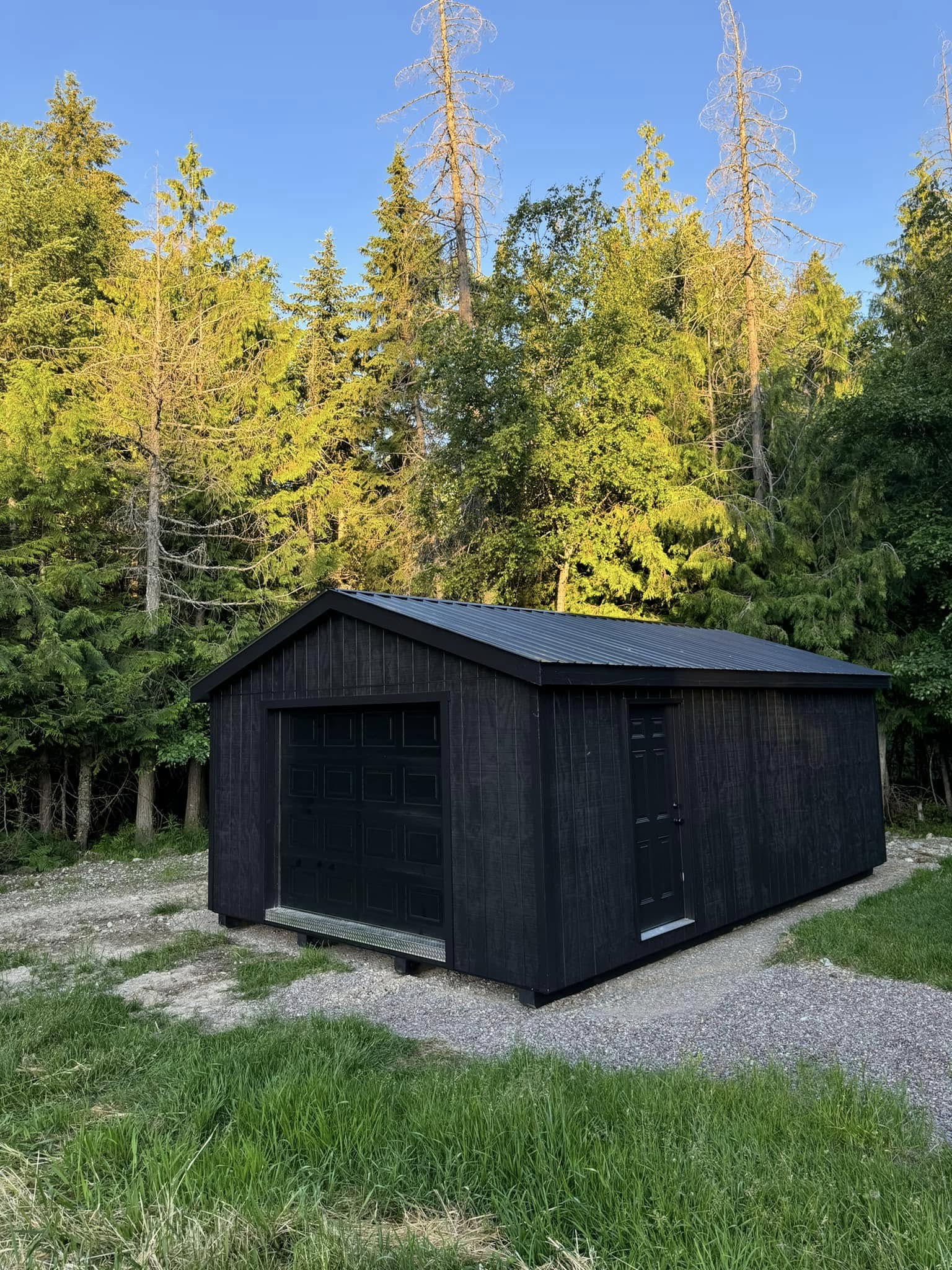
In colder climates, the threat of snow and ice demands materials that can bear weight and insulate effectively. For these regions, metal roofing emerges as a preferred option due to its ability to shed snow easily and its resistance to moisture damage. Coupled with proper insulation materials like fiberglass or foam panels, your shed will stay warm and protected from icy conditions.
For regions with high humidity or frequent rainfall, opting for weather-resistant woods like cedar or redwood can be beneficial. These types of wood naturally repel water and resist decay better than other species, reducing the likelihood of rot. Additionally, pressure-treated lumber could be an economical alternative that provides similar moisture-resistant advantages.
In areas prone to extreme heat and high UV exposure, materials that reflect sunlight and minimize thermal absorption are critical. Metal and composite materials often outperform traditional wood in these conditions. They provide excellent UV protection and help maintain cooler interior temperatures, thus extending the lifespan of the structure. Reflective roof coatings can further enhance these benefits by deflecting sunlight.
Windy locations present another set of challenges. In these areas, the structural integrity of your shed is paramount. Implementing sturdy structures with reinforced frames and using materials like heavy-duty steel or pressure-treated wood can prevent damage during storms. Anchoring the shed properly into a solid foundation also plays a significant role in safeguarding it against strong winds.
Beyond climate considerations, also factor in maintenance requirements when selecting your shed materials. While wood offers a classic aesthetic, it requires regular sealing and treatment to last long-term, particularly in harsh environments. Metal sheds offer low maintenance, as they resist rust and are usually immune to pest damage. Composite materials combine the best of both worlds, providing durability and minimal maintenance while mimicking the look of real wood.
Finally, always consider the visual appeal of your shed in conjunction with its functional requirements. Materials should complement your property’s aesthetic, whether that’s through the natural beauty of wood or the sleek polish of metal. Rocky Mountain Shed Builders emphasizes customizing each shed to fit not just practical needs but also style preferences.
In conclusion, selecting the right shed materials requires a thorough understanding of local climate conditions and an awareness of material properties. By making informed decisions with the help of expert guidance, you can ensure the longevity and durability of your shed, providing you with peace of mind and satisfaction. If you have more questions or need assistance, reach out to Rocky Mountain Shed Builders—we’re here to help you make the best choice for your environment.
/filters:no_upscale()/filters:format(webp)/media/5a08aefa-dffa-4d44-b939-7035a871a0b5.jpeg)
/filters:no_upscale()/filters:format(webp)/media/5fb8f330-7d9d-4137-8645-61e011c95ba2.jpeg)