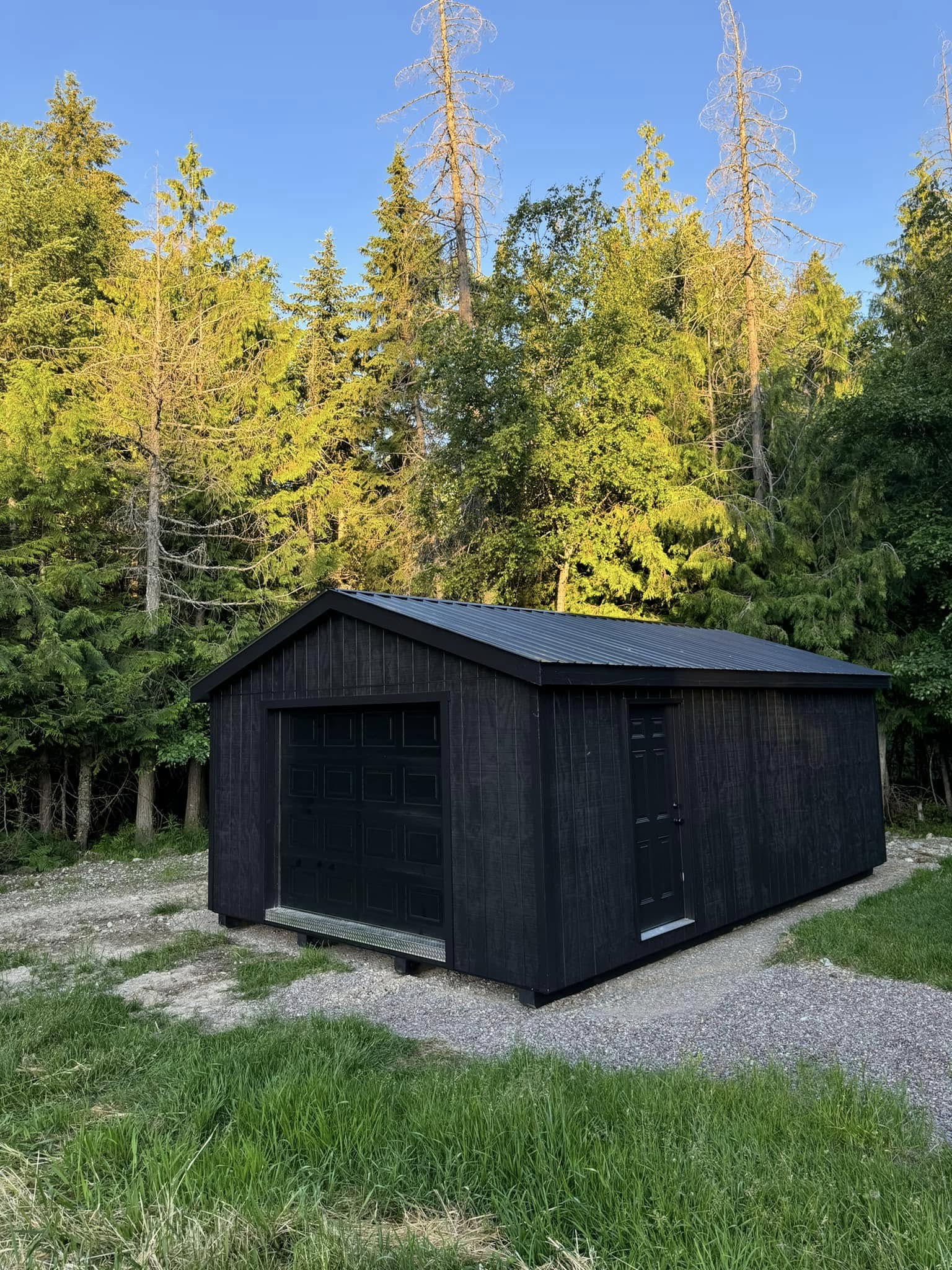
Harmonizing with Nature: Designing Sheds That Complement the Ecosystem Aug 04, 2026
The initial step in designing sheds that harmonize with their environment is choosing sustainable materials. Opting for responsibly sourced wood, recycled steel, or eco-friendly roofing materials can significantly reduce the carbon footprint of a shed. Durable materials not only ensure longevity but also minimize the need for repairs, thereby reducing waste and conserving resources over time.
In addition to material selection, the location and orientation of the shed play crucial roles in ecosystem integration. Positioning a shed to take advantage of natural light can significantly reduce energy usage. For instance, placing windows strategically allows for maximum daylighting, which minimizes the need for artificial lighting. Such practices not only save on electricity but also create warmer, more inviting sheds that integrate seamlessly into their natural settings.
Another key strategy in harmonizing with nature is the incorporation of native plants and vegetation around the shed. By choosing plants that are indigenous to the area, homeowners can create a natural habitat for local wildlife, supporting biodiversity. Moreover, native plants typically require less water and maintenance, making them a sustainable choice that reduces the impact on natural resources. This approach not only enhances the aesthetic appeal of the shed's surroundings but also contributes positively to the ecosystem.
Water conservation is another essential consideration when designing eco-friendly sheds. Incorporating rainwater harvesting systems can significantly mitigate the water demand for landscape irrigation. These systems can easily be integrated into shed designs, capturing precipitation that can be reused for watering gardens or even integrated into greywater systems. Managing water efficiently helps preserve local water reserves and supports sustainable living.
Energy efficiency is a vital aspect of environmentally conscious design. Introducing solar panels on the shed's roof or on surrounding structures can provide renewable energy sources to power lighting and small appliances. By using renewable energy, sheds become part of the solution to reducing greenhouse gas emissions, aligning perfectly with a more sustainable lifestyle.
Finally, maintaining a shed that harmonizes with nature requires conscious upkeep practices. Regular checks for leaks, ensuring proper insulation, and using non-toxic cleaning agents all contribute to lessening environmental impact. At Rocky Mountain Shed Builders, we equip our customers with the knowledge and tools needed to maintain their sheds sustainably.
In conclusion, designing a shed that complements the ecosystem is about making informed choices every step of the way—from materials and design to landscape integration and energy use. At Rocky Mountain Shed Builders, we are committed to creating sheds that not only meet your needs but do so in a way that respects and enhances our natural world. When you choose our services, you’re not just building a shed; you’re contributing to a sustainable future. With thoughtful planning and execution, our sheds become a testament to the harmonious coexistence between humanity and nature.
/filters:no_upscale()/filters:format(webp)/media/5a08aefa-dffa-4d44-b939-7035a871a0b5.jpeg)
/filters:no_upscale()/filters:format(webp)/media/5fb8f330-7d9d-4137-8645-61e011c95ba2.jpeg)